
Transforming Rig Entry Debris Surveys with AUV Technology
Case Study
Overview
First Marine Solutions (FMS) was contracted to deliver rig entry site debris surveys across multiple North Sea locations in support of upcoming anchor installations for a semi-submersible drilling rig.
Traditionally delivered using Anchor Handling Vessels (AHV) with ROV systems or dedicated survey vessels, FMS instead deployed an Autonomous Underwater Vehicle (AUV) solution launched from a spot-hire PSV. The outcome? A fundamental shift in project economics and delivery timelines.
Scope of Work
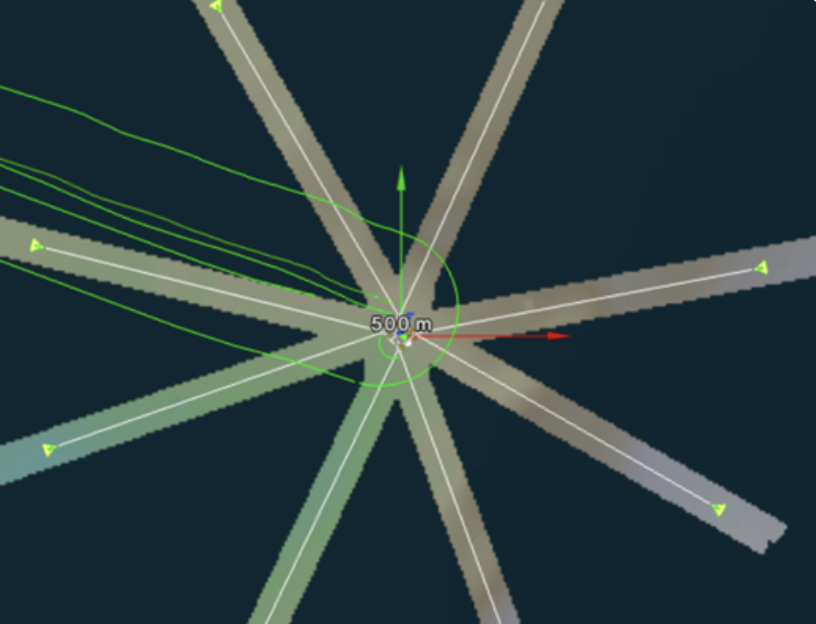
The scope included full survey covered proposed anchor spreads, including:
Anchor corridors and mooring lines;
Subsea infrastructure and hazards;
Seabed characterization of debris identification.
The Challenge
Offshore debris surveys are traditionally delivered using high-cost vessel spreads, typically involving AHVs with work-class ROVs or dedicated geophysical survey vessels. While effective, these methods introduce several challenges.
Firstly, vessel day rates are substantial, often representing the largest cost component of the survey. Secondly, ROV-based operations impose a risk on vessel availability which can lead to downtime and extended project durations. Finally, conventional workflows can delay data processing and interpretation, slowing down the delivery of actionable insights to the client.
The client required a solution that could maintain or improve data quality while significantly reducing costs and accelerating the timeline from data acquisition to decision-making.
The Solution: AUV Deployment
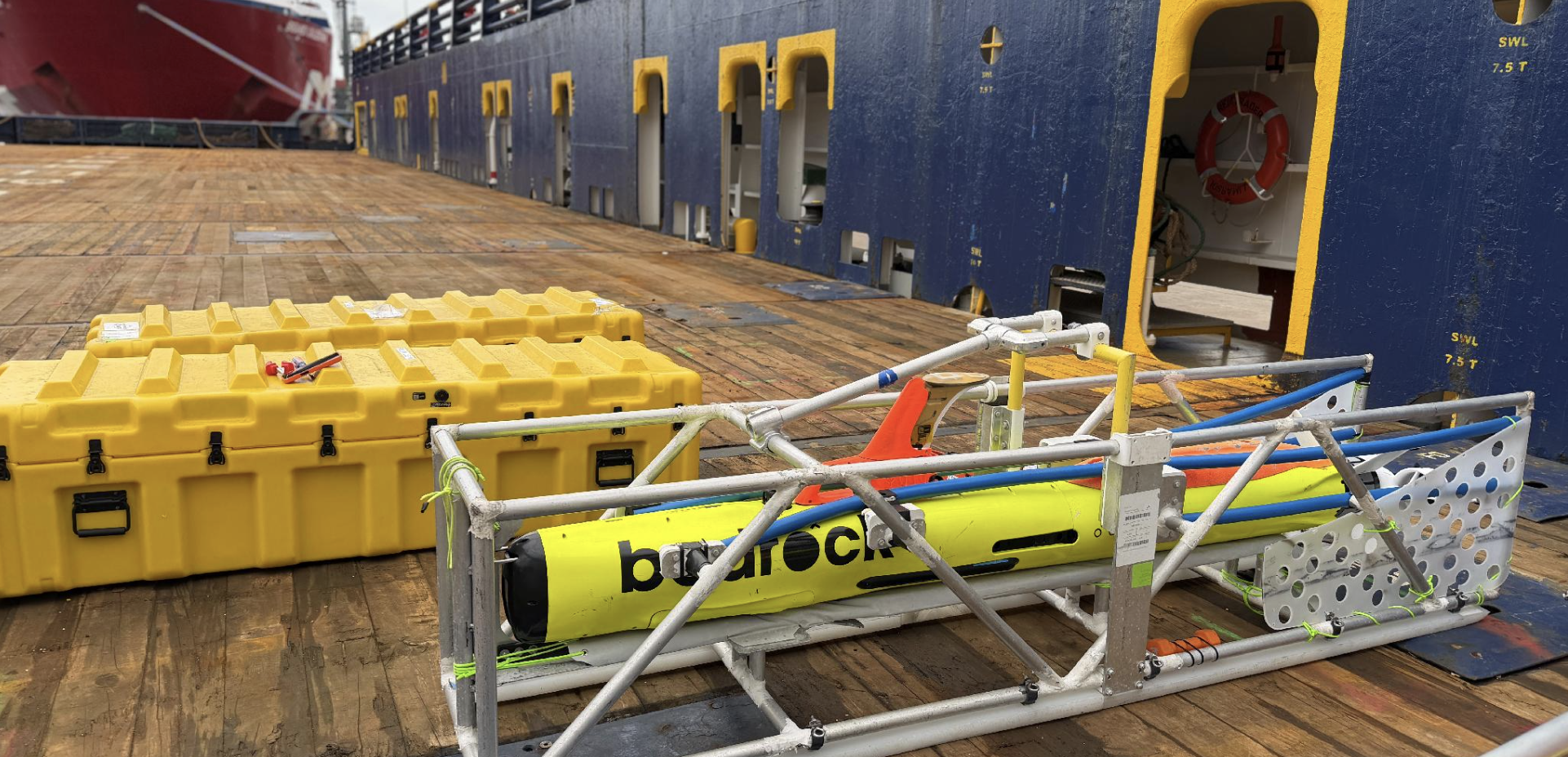
FMS addressed these challenges by deploying Bedrock’s AUVs equipped with high-specification multibeam echosounders and side-scan sonar systems. These systems enabled simultaneous acquisition of high-resolution bathymetric and acoustic imagery data.
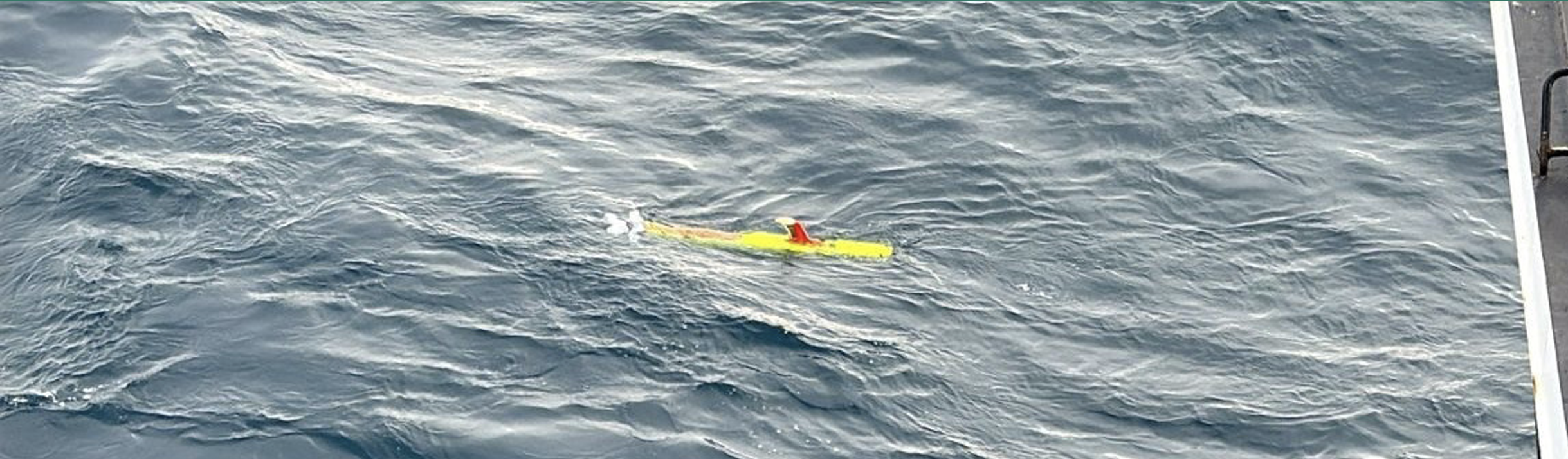
Unlike traditional vessel-based line running, the AUVs operated on pre-programmed missions, allowing them to navigate survey corridors autonomously and maintain consistent altitude above the seabed. This ensured uniform data quality and optimal sensor performance throughout the survey.
Deployment from a spot-hire Platform Supply Vessel (PSV) further enhanced operational flexibility while drastically lowering vessel costss.
Key operational advantages:
Pre-programmed missions, removing reliance on vessel line running.
High-resolution data acquistion, (0.25-0.5m resolution)
Minimal vessel footprint, using a spot-hire PSV.
Cost Comparison & Savings
A key driver for adopting the AUV-based solution was the opportunity to reduce exposure to limited survey vessel availability in a tight market, but also to reduce offshore costs without compromising data quality.
~92% saving vs AHV + ROV
~79% saving vs traditional survey vessel
This represents a step-change in offshore survey economics, particularly for multi-location campaigns.
Operational Efficiency Gains
The adoption of AUV technology delivered substantial improvements in operational efficiency across all phases of the project.
Autonomous mission planning removed the need for continuous vessel repositioning, reducing downtime and improving overall productivity.
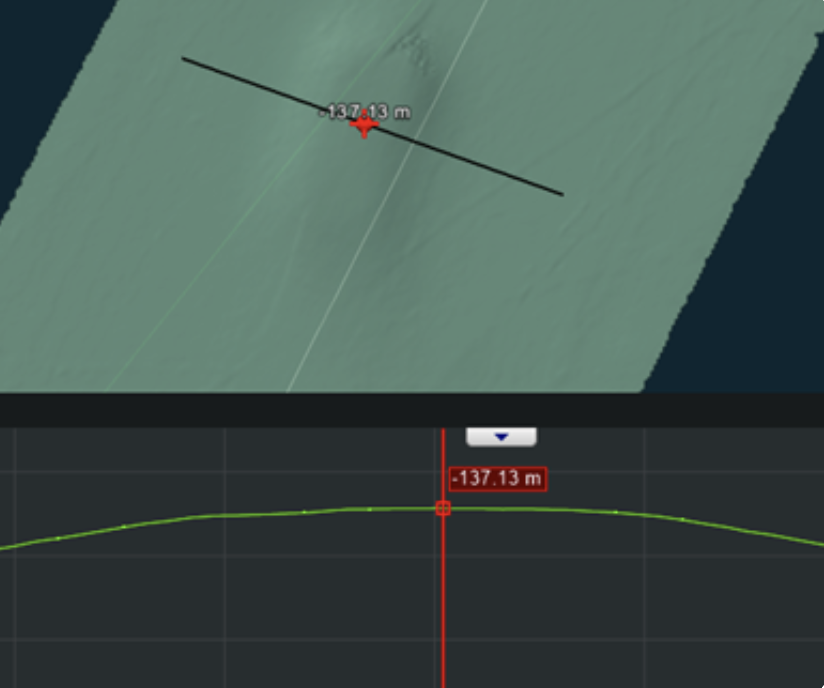
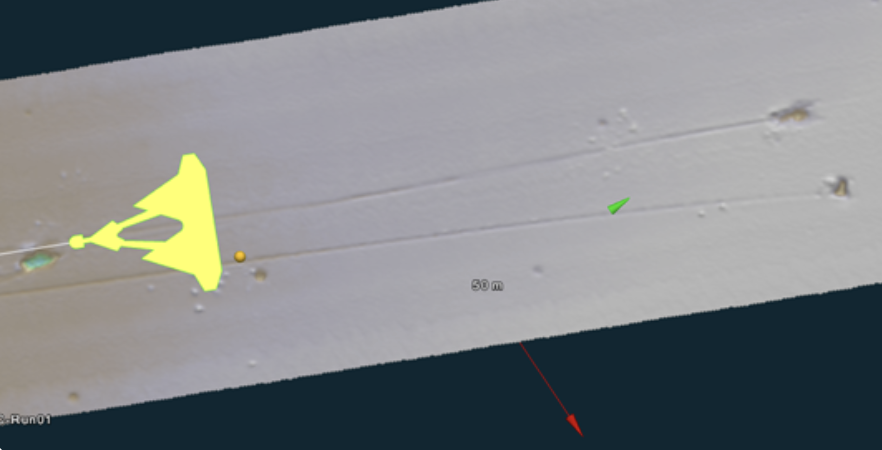
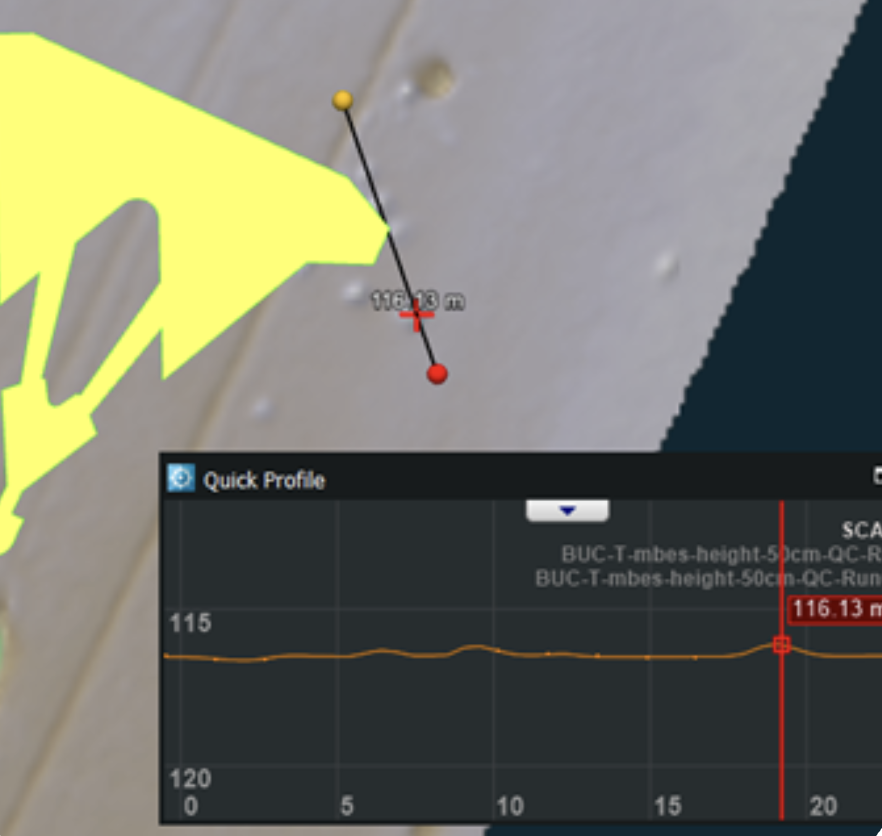
In terms of data quality, maintaining a consistent survey altitude across water depths exceeding 100m enabled optimal sensor performance, resulting in high-density datasets with excellent resolution and coverage. Positional accuracy was high enough that the data required no manual navigation correction or grid adjustment during processing. This ensured reliable detection of seabed features and debris, including smaller targets that may be missed by conventional methods. Because the mutlibeam and side-scan data were co-registered from a single platform, each contact could be assessed against both its acoustic signature and its measured relief, improving identification confidence and reducing ambiguity.
Crucially, the workflow enabled faster turnaround of processed data. Near-real-time onboard reporting confirmed complete, holiday-free coverage during acquisition, verifying data completeness in the field before demobilization. With efficient acquisition and streamlined processing, the client was able to access critical information earlier, supporting quicker and more informed operational decisions. Bedrock reporting was clear, thorough, and directly actionable, giving the team confidence to proceed.
Key Outcomes
The project successfully delivered comprehensive seabed datasets across all required locations, providing the client with a clear understanding of seabed conditions prior to anchor installation.
All significant debris and potential hazards were identified and mapped, allowing mitigation measures to be implemented ahead of operations. The high-resolution data also improved confidence in seabed conditions, reducing uncertainty and operational risk.
Why an AUV is a Game Changer
This project demonstrated that AUV-based survey solutions are not simply an alternative to traditional methods, but a step change in how offshore surveys can be delivered.
By removing reliance on large, high-cost vessel spreads and replacing them with compact, autonomous systems, operators can achieve the same, if not better, data quality at a fraction of the cost.
In addition, the ability to rapidly acquire and process data enables a more agile, data-driven approach to offshore operations, where decisions can be made faster and with greater confidence.
The deployment demonstrated that AUV-based surveys can:
Replace high-cost vessel spreads.
Deliver survey-grade data at a fraction of the cost.
Enable faster, data-driven operational decisions.
Client Value Summary
The deployment of AUV technology delivered clear and measurable value to the client.
Significant cost savings were achieved without compromising survey quality, enabling more efficient allocation of project budgets. Faster data acquisition and processing improved project timelines and reduced delays associated with traditional survey methods.
The high-resolution datasets provided enhanced visibility of seabed conditions, in turn reducing operational risk and supporting safer anchor installation. Finally, the flexibility of deploying from a PSV allowed for more adaptable and scalable survey operations.
Up to 92% cost reduction.
Faster project delivery.
Higher data density and consistency.
Reduced operational risk.
Flexibile deployment from a low-cost vessel.
Conclusion
This project highlights how FMS is leveraging AUV technology like Bedrock’s to redefine offshore survey delivery.
By continuing advanced autonomous systems with efficient operational strategies, FMS is able to provide clients with a compelling alternative to traditional survey methods — delivering lower costs, higher quality data, and faster insights.
This approach represents the future of offshore survey delivery, where innovation and efficiency drive better outcomes for clients across the energy sector.
About First Marine Solutions
First Marine Solutions combines offshore expertise, proven technology, and robust QA/QC processes to support complex marine operations. With experience delivering integrated surface and subsea survey operations, FMS provides clients with the confidence that critical offshore activities are executed safely, accurately, and efficiently.